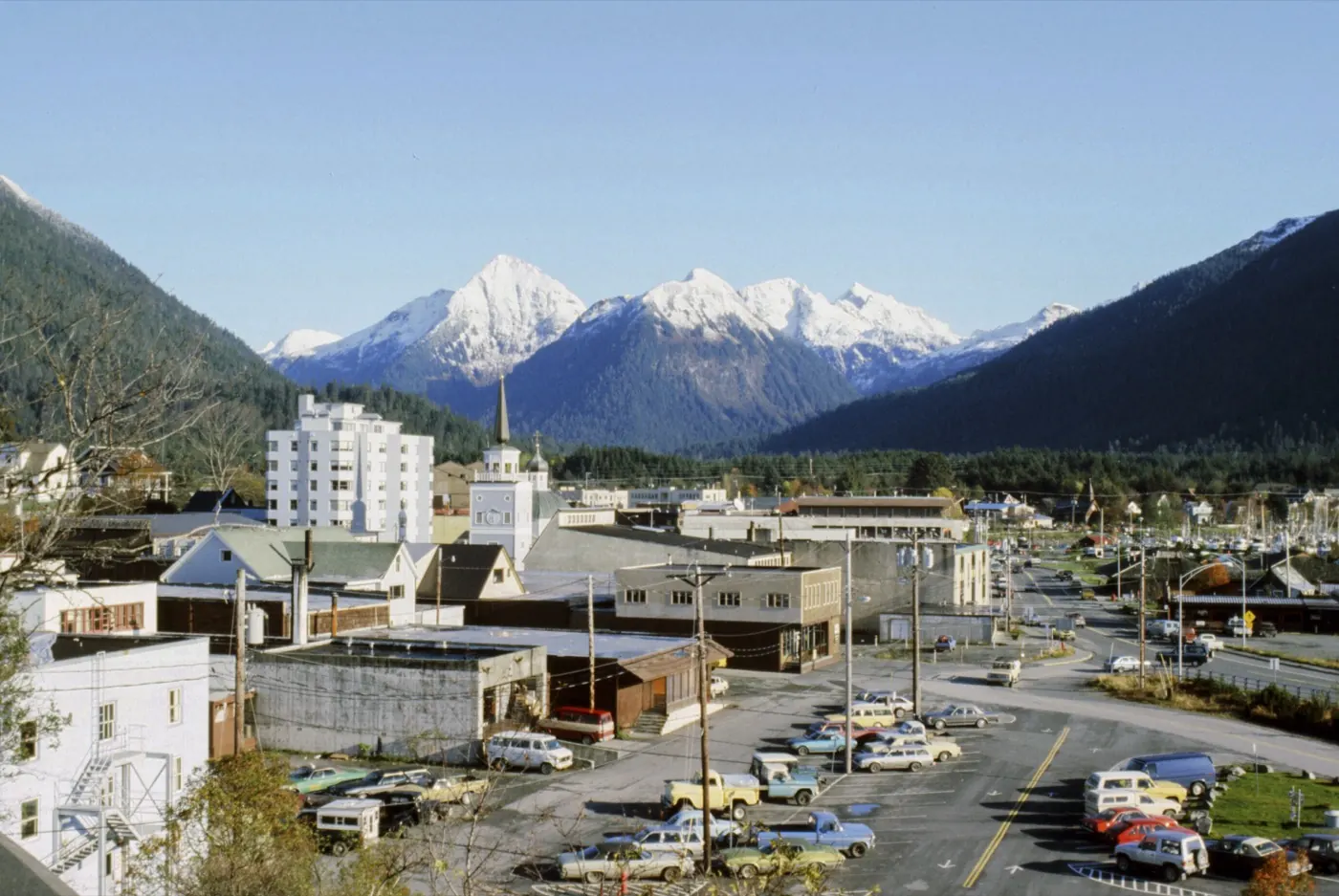
Sitka is geographically isolated and economically self-contained in ways other Southeast communities are not. The businesses here have to operate as if every supply, every employee, and every customer arrives by boat or plane — because most of them do. The operational design discipline that demands is itself a competitive advantage when it gets the right tooling underneath it.
What Sitka businesses we work with
Commercial fishing and seafood
Sitka is one of the most active commercial fishing communities in Alaska, with substantial salmon, halibut, and groundfish fleets. Catch reporting, crew payroll, and processing logistics are the workflows where we earn our keep. See fishing & seafood.
Sport fishing and tourism
Sport fishing charters, lodges, day tours, and the cruise season visitor industry. Sitka has a more boutique-feeling tourism economy than Juneau or Ketchikan — fewer ships per season, more independent travelers — and operations here can win on customer experience in ways the high-volume ports cannot. Review automation and customer comms are major levers. See tourism & hospitality.
Healthcare
SEARHC's footprint is anchored in Sitka, with regional clinic operations across the Southeast. The administrative workflows we describe under healthcare apply, with the additional context of tribal health system governance and the regional clinic model.
Trades and local services
Construction, electrical, plumbing, marine repair — the local trades ecosystem that supports a population living off the road system. Operations here run with smaller crews and tighter logistics than Lower 48 counterparts. See construction.
What Sitka demands of any system
- Maritime weather. Charter operations, fishing operations, supply runs all bend around weather windows. Cancellations are normal, not exceptional.
- Supply chain visibility. Every supply that comes in is a barge or air shipment with a lead time measured in days or weeks. Operations have to plan further ahead than mainland counterparts.
- Smaller team, broader roles. A mid-sized operation in Sitka asks fewer people to wear more hats. Automation that reduces the administrative burden on any given role compounds faster.
- Community fabric. The community is small enough that reputation, word of mouth, and customer relationships dominate marketing in ways they no longer do in larger markets. The system has to support that texture.
How an engagement runs
We fly in for the on-site phases. Build work happens remotely with weekly check-ins on your real data. The trip cadence depends on the project shape, but typically two or three trips spaced across the engagement.
Questions we get
How do you handle the access reality — Sitka is off the road system?
We fly in for the on-site phases. For most engagements that means a couple of trips spaced across the project: discovery up front, adoption at go-live. Build work happens remotely.
We are a tourism operator. How do we handle the cruise cycle?
Same way we handle Juneau and other cruise ports — daily passenger surges driven by a published calendar. Your operation has a peak load profile that is intense but predictable, which is the right shape for automation.
Do you work with SEARHC?
We have done work in the broader Southeast healthcare ecosystem. Tribal health is governed differently than other healthcare contexts and we treat it with the operational and cultural specificity it deserves.
For the framework, see what an AI transformation partner does. Other Southeast: Juneau.