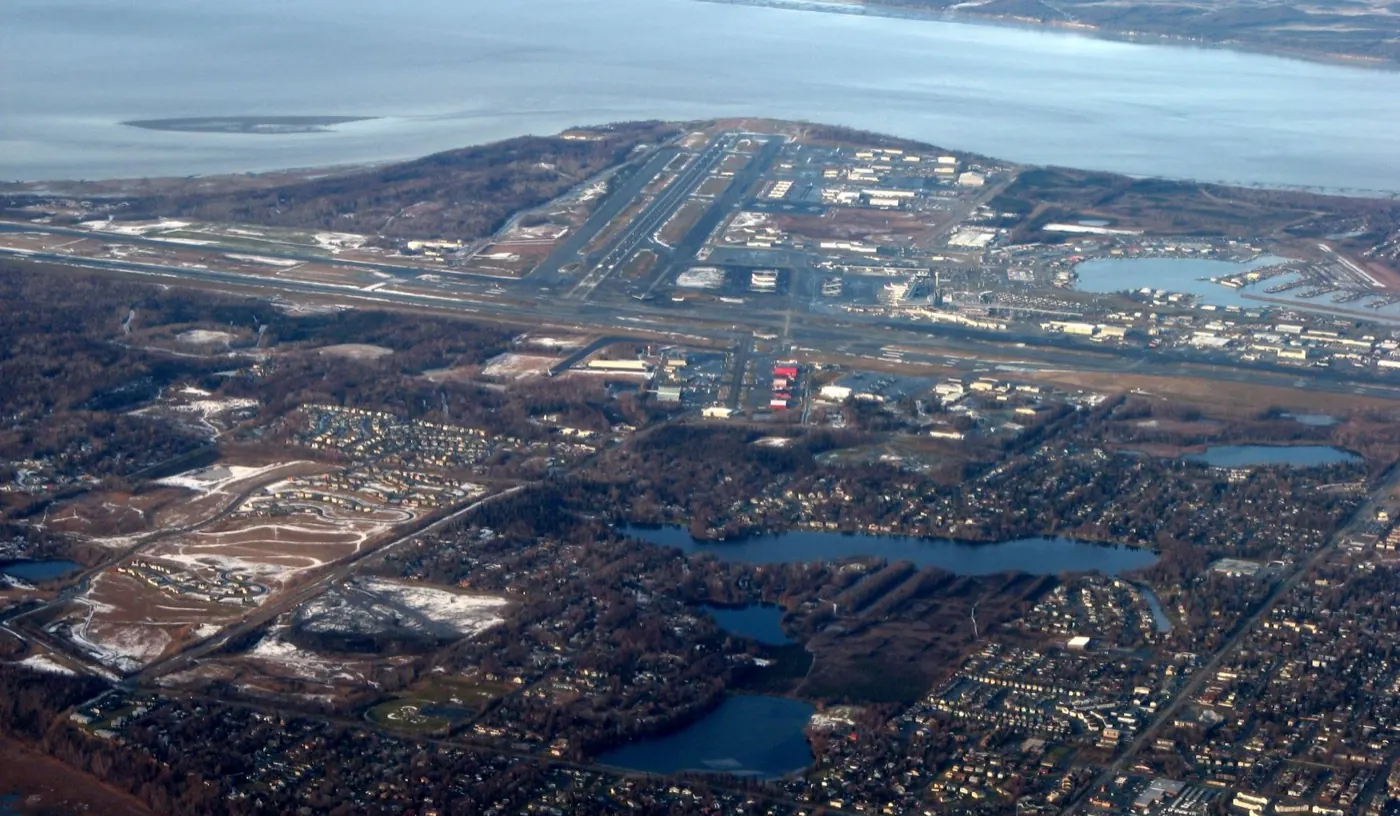
The operators that serve rural Alaska are doing work no other transportation can. Mail, freight, passenger, medivac, fuel, groceries — daily lifelines into communities that have no road access at all. The economic model is tight, the regulatory burden is heavy, and the operations are coordinated under weather conditions that are rarely predictable more than a day ahead.
Where AI shows up in aviation operations
Booking and dispatch coordination
Charter and air taxi operators manage demand from individual customers, hunting and fishing lodges, freight shippers, medical evacuation requests, and government contracts. The booking layer often runs across phone, web, repeat customer relationships, and broker networks. We build unified booking and dispatch tooling that holds the inventory truthfully across channels — same pattern as tourism, harder because aircraft and crew are heavily constrained resources.
Maintenance compliance and AD tracking
Every aircraft carries a maintenance program — annual inspections, 100-hour inspections, airworthiness directives, service bulletins, life-limited part tracking. The records have to be perfect because the FAA can ask for them at any time and the consequences of a gap are severe. AI tooling that monitors the program against the operational reality and surfaces compliance flags before they become findings is high-value, low-risk work.
Customer communication
"Are we flying today?" Weather-driven cancellations and reschedules are the default mode for much of the year. Automating the customer comms cadence — proactive status, rebooking offers, refund handling — saves hours per day during weather events and improves the customer experience in a market where word travels fast.
Billing, especially for freight and government work
Government contracts have specific billing requirements. Freight runs have weight, distance, and special handling that all factor in. Reconciling the dispatch reality against the invoice is the same problem we solve in trucking, applied to a different vehicle.
Pilot scheduling and currency
Pilot currency — recent experience, type rating currency, medical certificate, training — affects who can fly what when. Manual scheduling against currency is a slow, error-prone task at any operator with more than a handful of pilots. Automation makes it a check, not a calculation.
The Alaska aviation reality
- VFR weather drives the day. Operations plan around weather windows that can collapse on hours of notice. Customer expectations and crew schedules have to flex.
- Remote airfields and fuel. Some destinations have a single fuel cache that lasts the season. Logistics planning is part of dispatch, not a separate function.
- Mixed freight and pax. One flight may carry a passenger, mail, groceries, building materials, and a medivac return. The booking and load planning are interlocked in ways big-airline systems do not anticipate.
- The community relationship. Many operators serve specific village rotations and become part of the community fabric. Customer service has a different texture than in Lower-48 commercial aviation.
Questions we get
Charter, bush, commercial — does the work look different?
The shape is similar. Bookings or dispatch decisions, weather-driven schedule changes, customer communication, maintenance compliance, billing. Charter operators have more booking complexity; bush operators have more fuel and freight logistics. Same underlying transformation work.
Will this touch flight planning or operations control?
We do not touch the flight-following or dispatch authority workflows that need FAA certification. Those are specialist systems. We work on the layer of operations around them — bookings, customer comms, billing, maintenance records, parts.
How do you handle FAA records compliance?
Build to it from day one. Maintenance records, training records, inspection cycles all carry retention and access requirements. We design the data layer around those requirements so the records are airtight when the FSDO calls.
Related: logistics & freight shares much of the dispatch and customer-comms pattern. tourism & hospitality is the booking-system overlap.