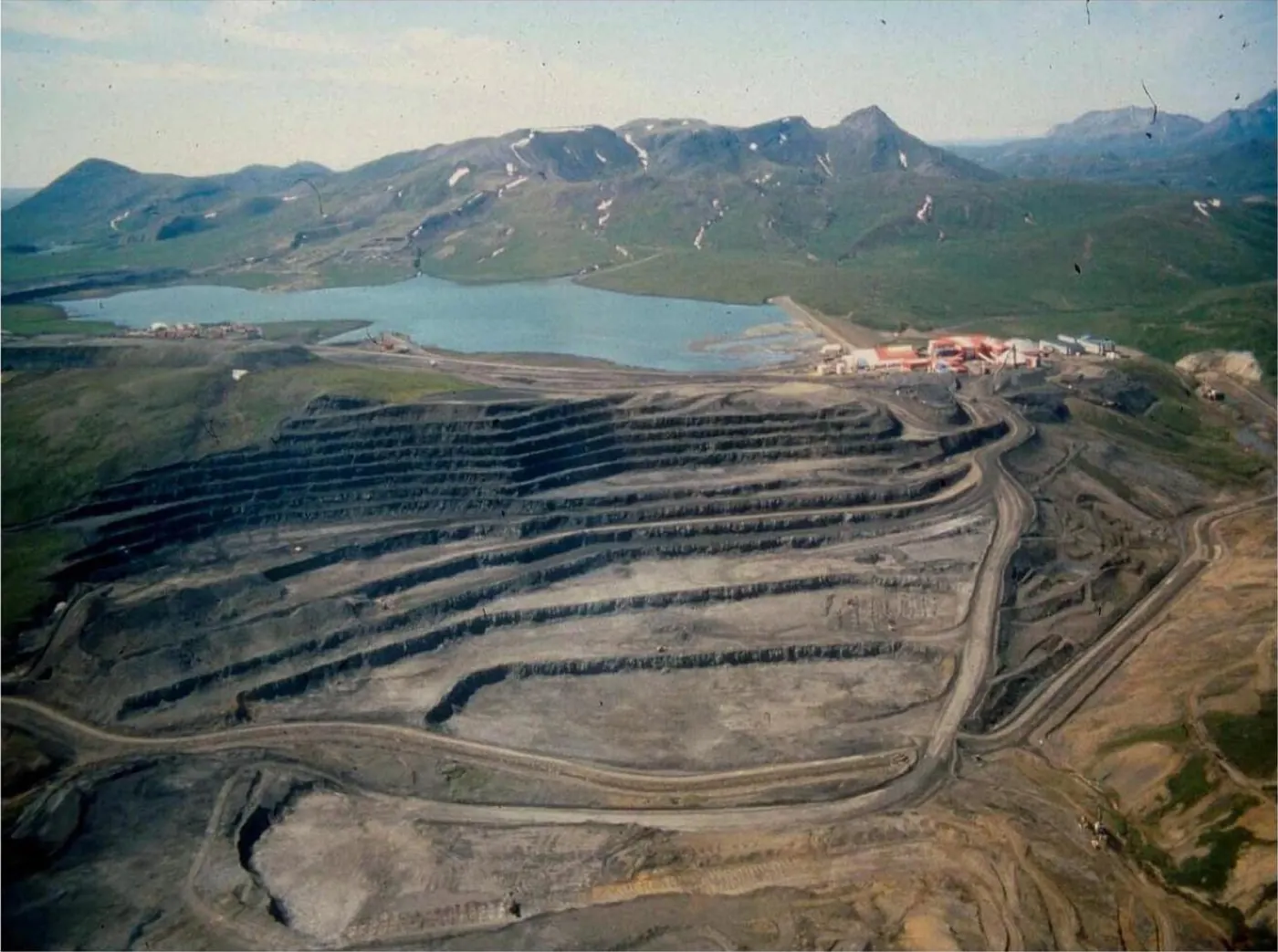
Alaska is one of the largest mineral-producing states in the country — zinc, lead, gold, silver. The economics of any individual mine depend heavily on operational discipline, because the cost of getting it wrong at a remote site is multiplied by everything you cannot do remotely.
Where AI moves the needle in mining
Equipment maintenance and parts logistics
Mining is a maintenance business with rock attached. Haul trucks, loaders, crushers, conveyors, dewatering systems — the asset register is massive, the failure modes are well-known, and the cost of unplanned downtime is brutal at a remote site. AI maintenance scheduling against sensor data, parts inventory, and crew availability turns a forty-row spreadsheet into a planning system the maintenance superintendent actually trusts.
Contractor and visitor management
A producing mine in Alaska runs hundreds of contractors and visitors per quarter. Site access, safety training currency, drug testing, badging, MSHA training records, environmental orientation. Manual handling is where things slip — and a contractor on site without current training is a stand-down waiting to happen. Automation here pays back through risk reduction, not just hours saved.
Environmental and ESG reporting
The reporting burden is real and growing. State DEC and federal EPA on water quality and discharge. State DNR on bonding and reclamation. Sustainability frameworks for investors. Your data is already being captured by the sensors and labs; the bottleneck is assembling it into the formats each audience wants. That is exactly the work AI does well.
Safety reporting and near-miss capture
Same pattern we see in oil and gas: the closer you push reporting friction to zero, the more incidents and near-misses you actually capture. Voice-to-form on a phone in a crusher house beats a paper form on a clipboard that gets transcribed three days later.
What Alaska mining demands that other markets do not
- Closed-loop logistics. Most Alaska mines are fly-in or barge-in. Supply runs are weeks out, not hours. Inventory and parts forecasting is not optimization, it is essential.
- Layered land status. Federal, state, borough, ANCSA, and private parcels all carry different permitting and reporting. Systems have to understand which is which.
- Workforce rotation. Same two-on-two-off pattern as the Slope at many sites. Operational continuity across shift changes is the engineering problem.
- Public scrutiny. Most operating mines have ongoing community and regulatory attention. The documentation discipline has to be airtight, because someone will eventually FOIA it.
Where we will not pretend to help
Ore body modeling, blast optimization, ore-grade prediction — specialist domains with specialist vendors. We do not compete with companies whose business is mineral resource science. We work on the operational and back-office layers, which is where most of the recoverable hours sit anyway.
Questions we get
Are you targeting majors or junior exploration companies?
Operating producers, mostly. Exploration is a different business model — more capital-raise and geology, less operational workflow. The transformation work fits when the operation is in steady-state production with hundreds of moving parts to track.
How do you handle the connectivity reality at a remote mine?
Offline-first design, syncing batches when connectivity returns. We do not assume a clean pipe to the cloud, because at most Alaska mines there is not one. Same pattern as our remote field work everywhere.
Can you help with environmental monitoring and ESG reporting?
Yes, on the data assembly and reporting side. We do not generate sensor data, but we can stitch your sensor and lab data into the reporting formats the agencies and your investors expect. That is most of the work; the data is usually already there.
Related industry work: oil & gas shares many of the same remote-operations and compliance patterns. Native corporations are often partners or owners.