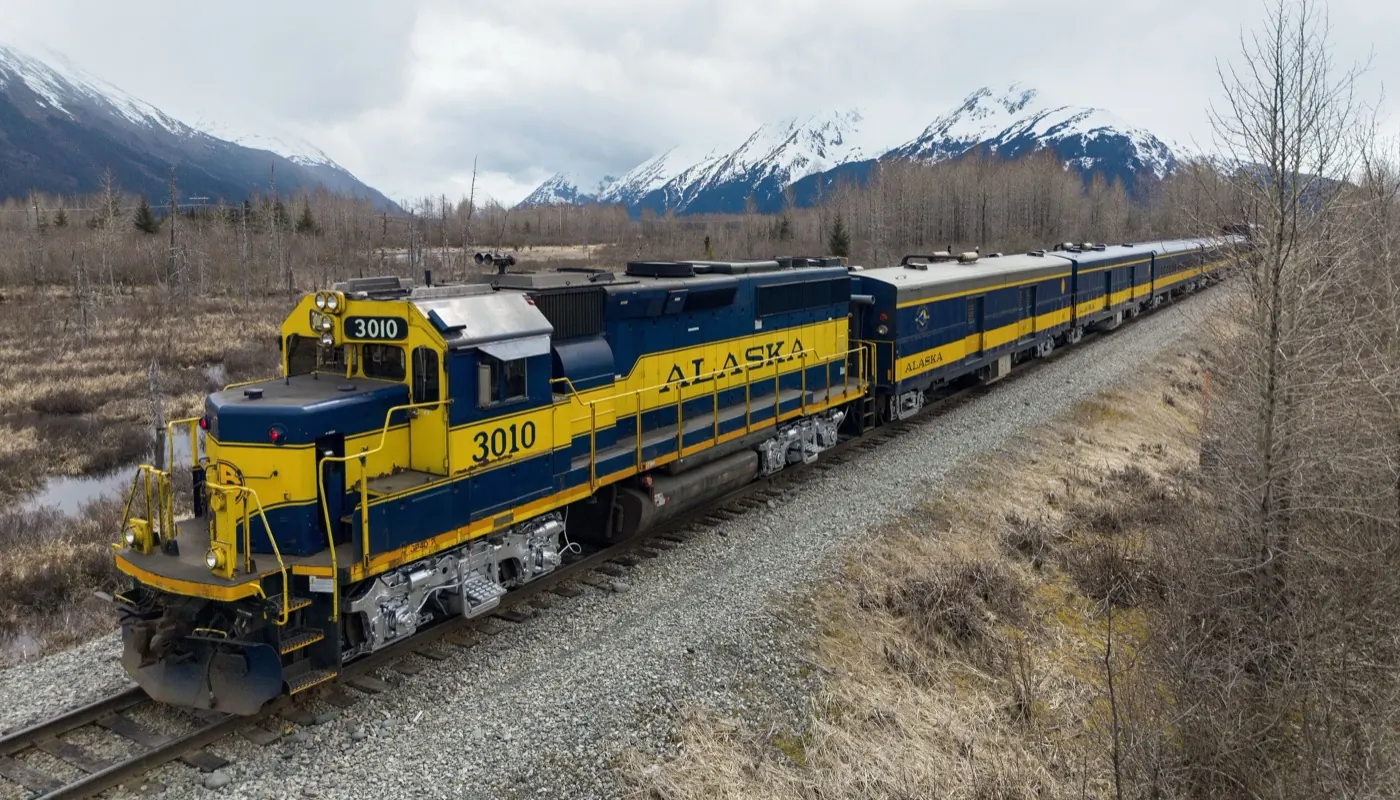
The Alaska supply chain is structurally different. Roughly 90 percent of the state's communities are off the road system. Goods reach them by barge, by air, by winter ice road, or not at all. The freight operations that serve those communities have built systems around that reality — most of them on top of legacy software with a thick layer of manual workarounds.
Where the operational hours go
Manifest handling
Inbound manifests arrive by email, by PDF, by phone, by EDI feed. Dispatchers retype the same data into multiple systems. We build manifest intake tools that read the inbound document, extract the structured data, and push it into your TMS and accounting in one motion. Same pattern we use across industries — the freight version is just particularly painful because of volume.
Dispatch and route decisions
Alaska freight dispatching is a constraint problem nobody has clean software for: cargo type, equipment availability, driver hours, weather windows, ferry schedules, road condition. Most of the decision is still made by an experienced dispatcher's intuition. AI does not replace that intuition; it surfaces the constraints faster so the dispatcher decides on better information.
Customer status and communication
"Where is my load" is the most-asked question in freight. Automating the answer with live status pushed to the customer — text, email, customer portal — cuts the inbound call volume substantially and improves the customer relationship in a market where reputation matters.
Billing reconciliation
Tariff complexity, demurrage, detention, accessorial charges. The math is right on the dispatch sheet and wrong on the invoice. AI billing reconciliation cross-references the dispatch reality against the invoice the customer received and flags discrepancies before they become disputes.
The Alaska-specific reality
- Modal handoff is the norm. A single shipment from Seattle to a Bush village might move by ocean, road, air, and final-mile snowmachine. The systems have to handle the handoff cleanly because that is where shipments get lost.
- Weather is operational, not exceptional. Cancellations, delays, reschedules. The system has to treat them as primary paths, not edge cases.
- Customer communication is harder. Customers in remote communities may not have reliable internet or cell. The communication tooling has to handle text-first delivery, scheduled callbacks, and offline acknowledgment.
- Fuel and equipment. A truck broken down outside Tok is a different problem than a truck broken down outside Tulsa. Equipment redundancy and parts logistics are part of the business model.
"Attu came to us, sat with our dispatchers, and built something that actually fit how we work. Within weeks our team was using it on their own — no hand-holding needed." — Samantha, United Freight & Transport
Questions we get
Marine, air, or ground — does it matter to you?
No. The operational shape is similar across modes — manifest in, dispatch decision, status updates out, billing reconciliation. The integrations differ. We have built across all three.
Can you replace our TMS?
No, and we will tell you not to try. Replacing a TMS is an 18-month engagement that rarely earns its return. We sit on top of your TMS and automate the work that happens around it.
Do you handle customs and cross-border?
We have built customs document automation for Alaska freight that crosses through Canada or imports through the Port of Anchorage. The pattern is reading inbound documents, generating outbound filings, and tracking exception cases — exactly the work AI is built for.
Read the United Freight & Transport case study for the field version of this. For the broader pattern, see workflow automation.